
News
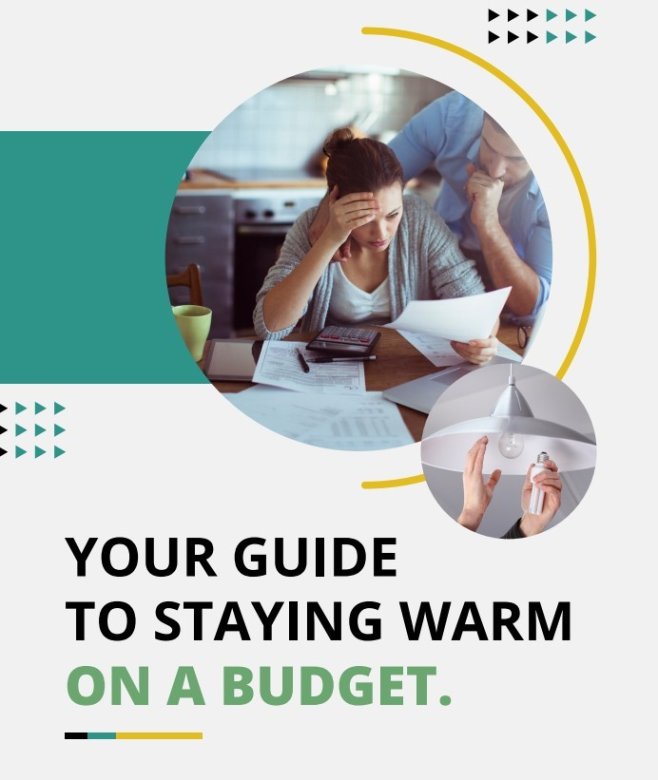
Winter weather can put extra pressure on households and services alike. By preparing early and using energy wisely, you can reduce costs, avoid common winter problems, and protect your wellbeing.
Why Keeping Warm Matters
Keeping your home warm is not just about comfort — it’s essential for your health and wellbeing.
18–24°C: No risk to healthy people
Below 16°C: Increased risk of respiratory infections
Below 12°C: Raised blood pressure
Below 9°C: Core body temperature can begin to fall
Below 6°C: Risk of hypothermia
For most households, maintaining 18–21°C in main living areas during winter helps protect against illness and reduces condensation and mould.
Common Energy Myths – Busted
Myth: Turning the thermostat up higher heats your home faster
Reality: Your home heats at the same rate regardless of the setting. Use timers instead — set heating to come on around an hour before you need it.
Myth: Heating for just a couple of hours a day is enough
Reality: A steady temperature is more efficient than short bursts. Constant low‑level heat keeps your home warmer and healthier.
Myth: Turning lights on and off wastes energy
Reality: Lights use energy when they’re on. Turning them off when not needed can save money over the year.
Keeping Yourself Warm (Low‑Cost Tips)
Layer up: Wear a lightweight base layer (such as thermals), a warm mid‑layer (fleece or knitwear), and add extra layers if needed. Avoid cotton — wool keeps heat in better.
Wear a hat indoors: Heat escapes through your head, just like any other uncovered part of your body.
Keep feet warm: Slippers or shoes indoors help, especially on hard floors. Raising your feet on a stool can also help.
Use heat aids wisely: Hot water bottles and electric blankets are inexpensive ways to keep warm, costing only a few pence per hour.
Heating Your Home Efficiently
Keep rooms you use most at a comfortable temperature and close doors to unused rooms
Maintain a minimum temperature of 18°C to reduce damp and mould
Use thermostats and timers to control heating efficiently
Turn radiators down (not off) in rooms you don’t use
Keep furniture and curtains clear of radiators
Shut curtains in the evening to reduce heat loss (but keep them behind radiators)
Avoid drying clothes on radiators
If you have a solid fuel boiler or open fire, have your chimney swept annually
Preventing Draughts — Safely
Fit draught‑proofing strips, door snakes, and letterbox covers
Seal gaps around window frames
Always leave some ventilation to prevent condensation and the build‑up of waste gases
Saving Energy Around the Home
Lighting
Switch to LED bulbs where possible
Turn lights off when leaving a room
Keep stairs well‑lit to prevent falls
Use nightlights instead of leaving main lights on overnight
Appliances
Switch appliances off instead of leaving them on standby
Use remote‑control sockets if mobility is an issue
Run washing machines and other appliances during off‑peak times if you’re on an off‑peak tariff
Use fewer, fuller washes at lower temperatures
Air‑dry clothes where possible
Saving Energy in the Kitchen
Only boil the water you need
Keep lids on pans when cooking
Defrost frozen food in the fridge overnight
Defrost freezers regularly
Use microwaves, slow cookers and air fryers — they’re cheaper to run than ovens
Dealing With Damp and Condensation
Condensation happens when warm, moist air hits cold surfaces. Left untreated, it can lead to mould and health problems.
To reduce condensation:
Keep rooms heated to 18–21°C
Open windows during cooking and bathing
Use trickle vents daily
Dry clothes outdoors or in a well‑ventilated room
Wipe down windows and avoid leaving wet towels around
Keep vents and air bricks clear
Protecting Your Home During Extreme Cold
Preventing Frozen Pipes
Run heating at low levels day and night during very cold weather
Leave heating on low when away from home
Open cupboard doors under sinks to let warm air circulate
Keep internal doors slightly open
Don’t leave taps dripping
Allow warm air into loft spaces during extreme cold
Consider leaving a key with someone you trust to check your home
If Pipes Freeze
Turn off the water at the stopcock (usually under the kitchen sink)
Thaw pipes slowly using hot water bottles, warm cloths, or a hairdryer on a low setting
Start thawing from the end nearest the tap
If a Pipe Bursts
Turn off the stopcock immediately
Block escaping water with towels
Turn off heating systems
Turn on taps to drain the system
Switch off electricity if water is near electrics (do not touch a wet mains switch)
If ceilings bulge, avoid entering the room and safely release water if needed
Contact the Maintenance Team immediately by phone for emergencies
Common Winter Heating Issues
Frozen condensate pipes: Place a hot water bottle on the pipe near the outlet
Frozen gas regulators: Insulate the meter with towels and gently thaw using a hot water bottle
Repairs During Extreme Weather
During periods of extreme cold and high demand, repairs are prioritised, particularly where there is:
Complete heating failure
Young children
Older residents
Medical or mobility needs
Once you have reported a repair, please avoid repeat calls unless the situation changes. Repairs are issued and completed in order of priority. Your patience and cooperation during these times is appreciated.
Managing Energy Bills and Getting Support
Provide regular meter readings to avoid estimated bills
Check if switching supplier or tariff could save you money
Contact your supplier early if you’re struggling — repayment plans are available
Pre‑payment meters can help budgeting, but tariffs may differ
You may also be entitled to benefits or financial support you’re not currently claiming. Your Housing Association can help signpost support, or you can use independent advice services.
Look Out for Each Other
During extreme weather, please check on neighbours who may be elderly, disabled or housebound. A friendly visit can make a real difference.
Need More Help?
Support is available from:
Age NI Advice Line
Consumer Council
Advice NI
NI Energy Advice Service
Department for Communities – Make the Call
Here to Help App
To read the full guide on Staying Warm on a Budget, please click here.
To read Ark Housing Guidance on Protecting Your Home in Cold Weather, please click here.